




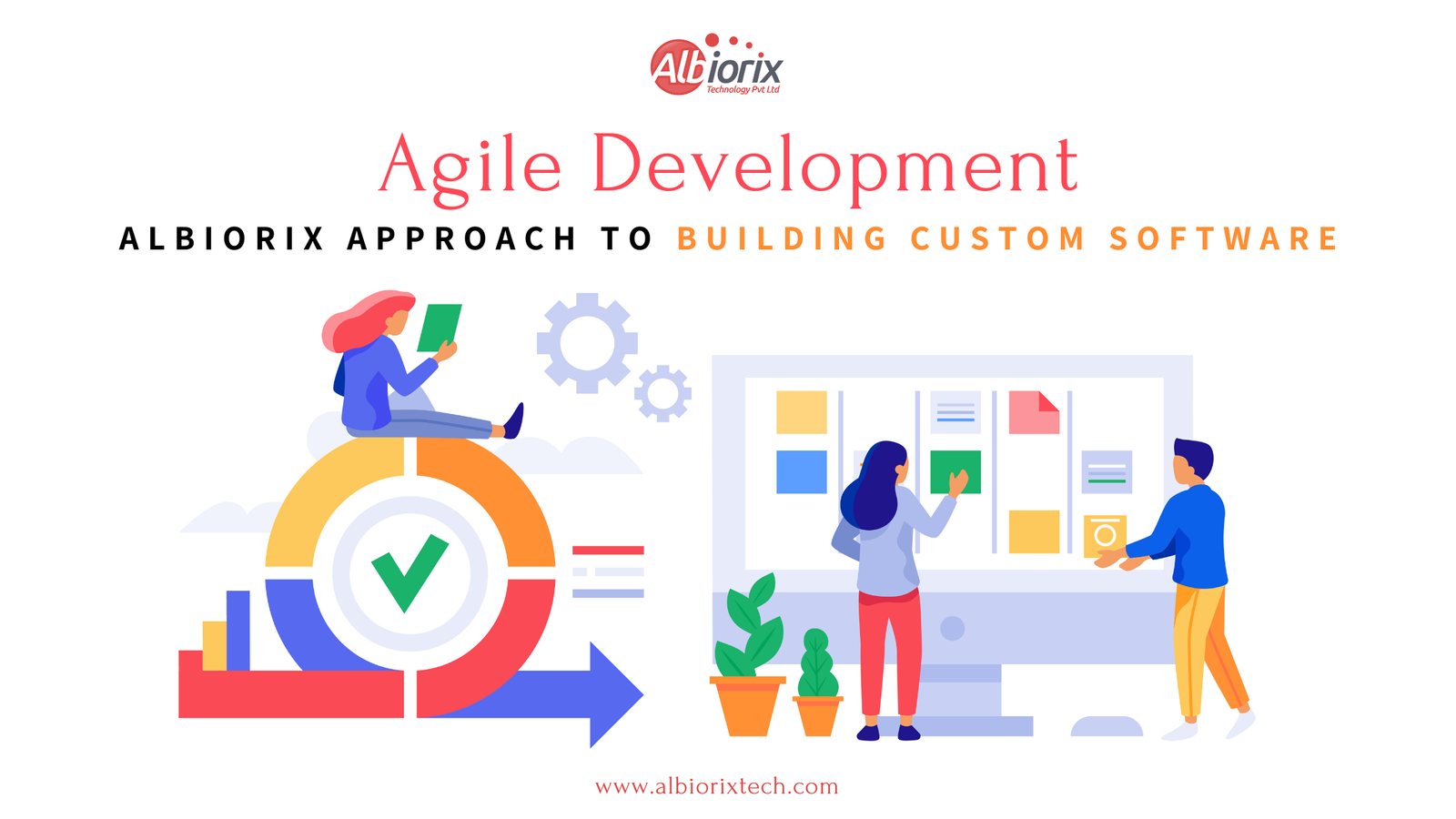
Agile Software Development: Build Better Custom Software With Albiorix

Embarking on a software development journey can feel like navigating a vast sea of methodologies, each promising to guide your project to success.

From the nimble agility of Agile and Scrum to the structured cascade of Waterfall and others like Lean, Kanban, and Spiral, choosing the suitable software development methodology can make or break your project’s outcomes.

In this comprehensive blog, we’ll dive into the depths of famous software development methodologies in 2026, exploring their unique traits, benefits, and why, at Albiorix, we prefer the Agile approach to custom software development.

Whether you’re a seasoned developer seeking to refine your workflow or a newcomer eager to understand the landscape, join us as we unravel the secrets behind these methodologies and unlock the keys to effective software development.

So, let’s first begin by understanding what software development methodology is.

What are Software Development Methodologies?

Software development methodologies are a structured set of principles, roles, and best industry practices that guide the software development process.

They focus on careful planning throughout the software development life cycle yet notably refrain from mandating specific technical components.

These methodologies facilitate seamless workflow and structural integrity within software developer teams by emphasising project management, collaboration, and communication over technical specifics such as programming languages or database selections.

Their primary goal is to avoid misunderstandings among team members, thereby reducing the risk of project failure or delays.

In this blog, we’ll learn about top software development methodologies in 2026 that may be suitable for your upcoming project.

Popular Software Development Methodologies in 2026

In 2026, software development methodologies continue evolving to meet the dynamic demands of modern technology projects. Among the popular methods are Agile, Scrum, Lean, Waterfall, and RAD (Rapid Application Development).

These methodologies reflect the diverse needs of software development teams in navigating complex projects with efficiency and innovation.

You can choose any of these methodologies to develop custom software for your business based on your project requirements, time to market, and other essentials.

Below is a brief update about the top 5 methodologies:

  1. Agile: Agile methodologies prioritise flexibility, collaboration, and iterative development. Teams work in short sprint cycles, adapting to changes quickly to deliver working software incrementally.
  2. Scrum: Scrum is a subset of Agile that emphasises teamwork, accountability, and frequent communication. It follows a structured framework with defined roles like Scrum Master and Product Owner and focuses on delivering high-value features.
  3. Lean: Lean software development aims to maximise value while minimising waste. It emphasises continuous improvement, customer feedback, and efficient resource utilisation.
  4. Waterfall: WaA waterfalls are a traditional, linear approach in which each development phase (requirements, design, implementation, testing, maintenance) flows sequentially. They are known for their structured and predictable nature.
  5. RAD (Rapid Application Development): RAD focuses on rapid prototyping and iterative development. It aims to deliver software quickly by involving users early in the process, gathering feedback, and making rapid iterations to meet evolving requirements.

What is Agile Software Development Methodology?
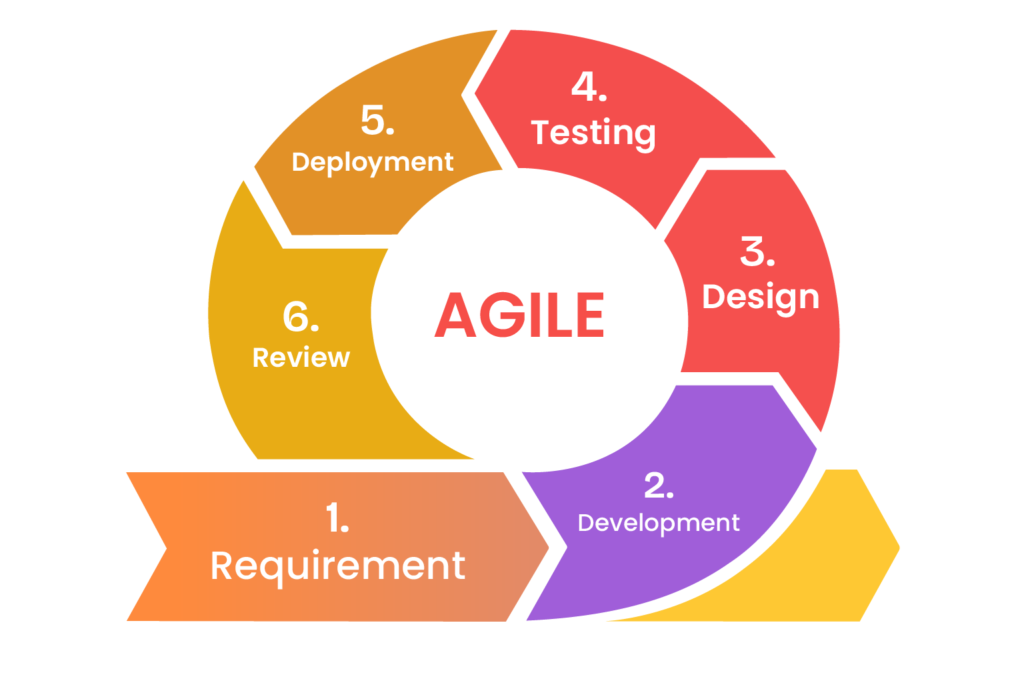
Agile Development Methodology

Agile software development methodology is a flexible approach to custom software development that prioritises adaptability and customer collaboration.

Unlike traditional methods, Agile promotes incremental delivery of working software, allowing teams to respond quickly to changing requirements and market dynamics.

Fundamental principles of Agile include customer satisfaction through continuous delivery, embracing change for competitive advantage, and fostering collaboration among cross-functional teams.

Agile methodologies emphasise regular feedback loops, self-organising developers’ teams, and constant planning to deliver value early and often throughout development.

This methodology encourages transparency, communication, and a focus on providing high-quality software that effectively meets customer needs.

Most software development companies in Australia, India, and the USA prefer Agile methodology for simple to complex software development projects.

Accelerate Your Project Success

Experience the Albiorix advantage with our expert team guiding your custom software development. Fast-track your project and achieve remarkable results.


Get Started Today

What are the Benefits of Agile Development?

Agile development promotes a customer-centric, collaborative, and adaptable approach to software development, leading to faster delivery of high-quality software that meets customer expectations.

Below is the list of benefits of Agile development:

  1. Flexibility and Adaptability: Agile allows teams of developers to respond quickly to changes in requirements, market conditions, or customer feedback, ensuring that the software stays aligned with evolving needs.
  2. Customer Collaboration: Agile encourages continuous collaboration with customers throughout the development process, leading to a better understanding of requirements, increased customer satisfaction, and delivery of software that meets user needs.
  3. Early and Regular Delivery: Agile delivers working software in minor, incremental releases. This approach lets stakeholders see tangible progress early and provides feedback and course correction opportunities.
  4. Iterative Development: Agile promotes iterative development cycles by breaking the project into manageable iterations or sprints. Teams can prioritise tasks, focus on high-value features, and continuously improve based on feedback.
  5. Improved Quality: Agile methodologies emphasise automated testing, continuous integration, and regular reviews, leading to higher software quality and reduced defects.
  6. Increased Team Collaboration: Agile fosters collaboration among cross-functional teams, promoting shared ownership, transparency, and collective problem-solving.
  7. Risk Mitigation: Agile’s iterative approach and frequent feedback loops help identify and address risks early in the development process, reducing the likelihood of significant later on.
  8. Enhanced Project Visibility: Agile methodologies often use visual tools like Kanban boards or Scrum boards to track progress, tasks, and priorities, giving stakeholders real-time visibility into project status and progress.

Why Should a Business Consider Agile Development Methodology?

If you are a business looking forward to custom software development or any other digital solution, Adopting Agile development practices can empower businesses to be more responsive, customer-focused, and efficient in delivering software solutions that meet evolving market demands and customer expectations.

Here are a few reasons why you should consider the agile development methodology:

  1. Adaptability to Change: In today’s fast-paced business environment, requirements and market conditions can change rapidly. Agile methodologies enable businesses to respond quickly to changes, pivot strategies, and deliver customer value more effectively.
  2. Customer-Centric Approach: Agile strongly emphasises continuous customer collaboration and feedback. By involving customers throughout the development process, businesses can ensure that the final product meets their needs and expectations, leading to higher customer satisfaction and loyalty.
  3. Faster Time-to-Market: Agile promotes constant and incremental development, allowing businesses to release working software in smaller increments at regular intervals. This approach enables more rapid delivery of features and functionalities, reducing time to market and gaining a competitive edge.
  4. Improved Quality: Agile methodologies emphasise continuous testing, integration, and reviews throughout the development cycle. By focusing on quality from the outset and incorporating feedback early, businesses can deliver higher-quality software with fewer defects and issues.
  5. Transparent Progress Tracking: Agile methodologies often use visual tools like Kanban boards or Scrum boards to track real-time tasks, priorities, and progress. This transparency gives stakeholders clear visibility into project status, identifies bottlenecks, and makes informed decisions.
  6. Reduced Risk: Agile’s repetitive approach and frequent feedback loops help identify and address risks early in development. Businesses can mitigate risks related to scope changes, resource constraints, and market uncertainties by continuously evaluating progress and adjusting plans as needed.

Elevate Your Business with Agile Solutions

Unlock the power of agile development tailored to your unique needs—partner with Albiorix to elevate your business through innovative software solutions.


Contact Us Now

Why does Albiorix Technology follow the Agile Methodology for Software Development?

At Albiorix Technology, we wholeheartedly embrace the Agile methodology for software development endeavours.

Agile’s positive and customer-centric approach aligns perfectly with our commitment to delivering high-quality, tailored solutions to our clients.

Breaking down projects into manageable iterations and fostering continuous client collaboration ensures that the end product meets and exceeds expectations.

Agile empowers our teams of full-stack developers to adapt quickly to changing requirements, optimise processes, and focus on delivering value at every stage of development.

This methodology enhances transparency and communication and enables us to provide software solutions with speed, efficiency, and unmatched quality, ultimately driving our clients’ and businesses’ success.

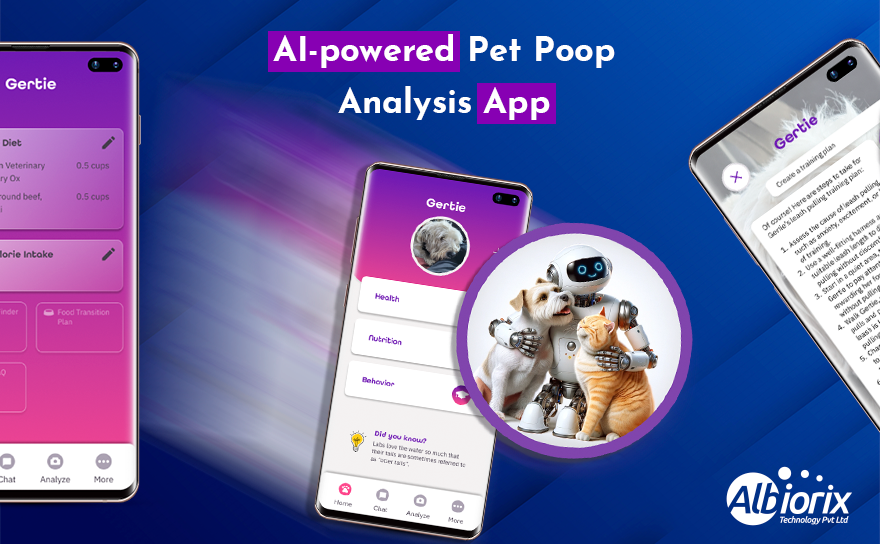
AI-Powered Pet Poop Analysis App Developed Using Agile Methodology

We choose the Agile methodology for custom software development due to its flexibility, customer-centric approach, and numerous other advantages.

Recently, we developed an AI-powered pet poop analysis app using Agile methodology. This app is designed and developed to promote the good health of pets.

Whether you have a dog, a cat, or any other pet, our pet poop analysis app can help you maintain their optimal health. Please visit our portfolio to learn more about apps developed using agile methodology.

Conclusion

Ready to unlock the full potential of Agile methodology for your next software project? At Albiorix Technology, we thrive on Agile principles to deliver exceptional results.

Whether you need a custom software solution or want to enhance an existing product, our Agile-driven approach ensures flexibility, quality, and customer satisfaction.

Let’s collaborate and turn your vision into reality. Contact us today to begin your Agile journey and experience the difference! Call us for a free consultation at (+91) 991-308-8360 or drop your contact details here.

You can also send us your questions or project requirements through LinkedIn and Facebook.

Ride-Sharing Apps like Uber: Grow Your Online Mobility Business with Us

Welcome to the dynamic world of ride-sharing app development, where technology meets convenience to transform the way we commute.

With over 100+ ride-sharing apps operating worldwide and serving millions of users daily, this industry has revolutionized urban mobility.

But do you exactly know what a ride-sharing app is? How does it operate? How many people use ride-sharing apps globally? And what is the market size of ride-sharing apps? If you want to know the answers to all these questions, then stick to this blog until the end, and let’s get started with ‘What is a ride-sharing app’.

What are Ride Sharing Apps?

Ride-sharing apps are a type of mobile application platform that connect passengers with nearby drivers using their own vehicles.

These apps make it easy for users to request a ride, see the driver’s location in real time, and pay through secure in-app systems—no need for cash or phone calls.

Compared to traditional taxis, ride-sharing apps often provide quicker service, real-time tracking, and upfront pricing. They also help reduce traffic and lower emissions by encouraging shared rides and smarter route planning.

By improving urban travel and offering convenience at your fingertips, ride-sharing apps have changed how people move around cities..

At Albiorix Technology, we understand the pulse of this industry and are excited to partner with you in crafting your own success story in the online mobility business.

Let’s dive in and explore the endless possibilities together! Have a look at our portfolio to review such fancy mobile applications that drive businesses.

Why are Ride Sharing Apps/Services So Popular?

Ride-sharing apps are popular because they offer easy and convenient ways to get around without owning a car. Users appreciate affordable prices compared to traditional taxis, making daily travel more budget-friendly.

These apps also focus on safety by providing driver ratings and real-time tracking, which builds trust between riders and drivers. Comfort and quick availability add to the appeal, especially in busy cities.

Additionally, many ride-sharing platforms now offer extra services like food delivery and carpooling, making them useful beyond just rides.

This combination of convenience, cost savings, and safety keeps ride-sharing apps in high demand worldwide.

Below are a few reasons why ride-sharing apps/services have gained immense popularity worldwide:

  1. Convenience and Accessibility: The widespread adoption of smartphones and user-friendly taxi apps has made ride-sharing incredibly accessible. Users can request rides effortlessly with just a few taps, enjoying prompt pickups from their chosen locations.
  2. Cost-Efficiency: Ride sharing often proves more economical than traditional taxis or owning a car. Studies, such as McKinsey’s 2020 ACES consumer survey, reveal that over 60% of respondents are willing to share rides with strangers if it reduces costs by less than 15% and adds minimal time to their journey.
  3. Enhanced Experience: Beyond practicality, ride-sharing offers enjoyable experiences. Many riders appreciate conversing with drivers, contributing to a positive ride experience. Surveys indicate that around 50% of users also utilize ride-shares for social outings, highlighting the service’s versatility.
  4. Frequency of Use: A significant portion of the population relies on ride-sharing regularly. Research demonstrates that approximately a quarter of the US population uses ride-sharing services for transportation at least once a month, showcasing its widespread adoption and utility in daily commuting.

Drive Success with Our Ride-Sharing Platform!

Our ride-sharing platform provides unmatched flexibility and features to expand your reach and increase revenue. Partner with us and open up a world of possibilities for your mobility business.


Get Started Today and Experience the Power of Seamless Integration and Superior Service

List of Top Ride-Sharing Apps Globally

The global ride-sharing market boasts several prominent players that have revolutionized urban transportation. Uber, a pioneer in the industry, operates in numerous countries, offering various ride options.

Lyft, a strong competitor to Uber, focuses on community and driver-friendly policies, primarily serving the United States. Didi Chuxing, based in China, dominates the Asian market and has expanded its services globally.

Ola, a major player in India, provides diverse transportation solutions, including rentals and corporate travel. Grab, widely used in Southeast Asia, offers comprehensive services beyond ride-hailing, including food delivery and financial services.

These top ride-sharing apps continue to innovate and expand their reach, shaping the future of mobility worldwide.

Below is the list of top rides sharing apps globally:

  • Uber
  • Lyft
  • Ola
  • EasyTaxi
  • Didi Chuxing
  • BlaBlaCar
  • Arro – Taxi App
  • Grab
  • Cabify
  • Bolt

Developing clones of popular ride-sharing apps for your mobility business or creating an Uber-like taxi app is trending in the market. If you want to know the cost of app development, then get in touch with us today. We offer a free quote and consultation.

Some Interesting Facts About Ride Sharing Market

The ride-sharing market has witnessed remarkable growth in recent years, with millions of users relying on these convenient services daily.

Interestingly, ride-sharing apps have not only transformed urban mobility but also contributed to reducing traffic congestion and carbon emissions in many cities globally.

  1. The global ride-sharing market size was valued at USD 106.28 billion in 2022.
  2. It is projected to reach USD 564.20 billion by 2031, growing at a CAGR of 20.38% during the forecast period (2023–2031).
  3. Over 300 million people use taxi apps in the world, with DiDi and Uber responsible for about 150 million of those users.
  4. According to statistics, approximately 14 million Uber trips occur daily. This translates to over 5 billion Uber trips per year.
  5. Approximately 36% of Americans have used a ridesharing service at least once. Of all app users, 26% say they use a ridesharing service at least once per month.
  6. Younger individuals (51% of users aged between 18-29) make up the largest demographic of ride-sharing app users.
  7. Uber, Lyft, DiDi, Ola, and Grab are the top ride-sharing apps used globally by customers.
  8. As of recent estimates, there are more than 15 million ride-sharing drivers worldwide.

Moreover, the rise of electric and autonomous vehicles within the ride-sharing ecosystem promises a sustainable transportation future.

As the market continues to evolve, partnerships between ride-sharing companies and public transit authorities are emerging, offering integrated mobility solutions to commuters.

These fascinating trends underscore the dynamic nature and immense potential of the ride-sharing market.

Future Trends of Ride-Sharing App Development

In 2025, ride-sharing app development is focusing on smarter tech, cleaner transport, and better safety. Apps are now using AI to predict demand, suggest faster routes, and improve driver efficiency.

Many platforms are also switching to electric vehicles (EVs), supporting a push toward eco-friendly travel.

New safety features like facial recognition for drivers and in-app emergency tools are gaining importance. If you’re in the taxi business or planning to start, these trends matter.

Creating apps that are easy to use, locally tailored, and transparent can help you stand out. Keeping up with these 2025 developments builds trust and long-term success.

Here are some key trends shaping the landscape of ride-sharing apps:

  1. Enhanced Safety Features: With a focus on passenger safety, ride-sharing apps are incorporating advanced safety features such as real-time driver monitoring, SOS buttons, and secure payment options.
  2. AI-driven Predictive Analysis: Leveraging AI algorithms, ride-sharing apps can analyze user behaviour and predict demand, optimizing driver allocation and reducing wait times.
  3. Eco-Friendly Initiatives: As sustainability becomes a priority, ride-sharing apps are promoting eco-friendly options such as electric vehicles and carpooling to reduce carbon emissions.
  4. Integration of Blockchain Technology: Implementing blockchain technology ensures transparent and secure transactions, enhancing trust among users and drivers.
  5. Personalized User Experience: Through data analytics, ride-sharing apps offer personalized recommendations, loyalty programs, and tailored promotions to enhance user satisfaction and retention.

By aligning with these trends, you can stay ahead in the competitive ride-sharing market and deliver an exceptional experience to your customers.

Maximize Your Profits with Our Ride-Sharing Solution!

Maximize profits and streamline operations with our ride-sharing solution. Advanced analytics and custom features keep you ahead of the competition.


Join Us Now and Watch Your Profits Soar!

What is the cost of developing an Uber-like Taxi app?

Determining the cost of developing an Uber-like taxi app can vary widely based on several factors such as the app’s features, complexity, platform (iOS, Android, or both), design, development team rates, and more.

Generally, developing a basic version of such an app can start from a few thousand dollars, but more advanced features like real-time tracking, payment integration, and admin panels can increase the cost significantly.

It’s crucial to consult with experienced app developers and outline your specific requirements to get an accurate estimate for your Uber-like taxi app development project.

To get a free quote and development timeline, please feel free to contact us today!

Conclusion

Elevate your mobility business with an AI-powered app! Harnessing the latest in artificial intelligence technology, our app ensures seamless user experiences, optimized route planning, real-time data analytics, and personalized services.

Stay ahead of the competition and meet the demands of modern travellers with a smart, efficient solution tailored to your business needs. Unlock new levels of efficiency, customer satisfaction, and growth potential with our AI-powered ride-sharing app today!

To discuss the development cost of an Uber-like ride-sharing app for your business or a web app for your business, then feel free to contact us.

You can drop us your contact details using the Contact Us form, call our experts at (+61) 489-940-484 or connect with us on Linkedin or Facebook. We will get back to you as soon as possible.

Staff Augmentation vs Permanent Hires: What’s Right for You

In the ever-evolving landscape of workforce management, businesses often face the critical decision of whether to opt for staff augmentation or make permanent hires.

Both approaches have merits and drawbacks, and choosing the right one can significantly impact your company’s success.

In this comprehensive blog on Staff Augmentation vs Permanent Hires, we will try to understand what staff augmentation and permanent hires are and help you make an informed decision tailored to your company’s needs.

Understanding What is Staff Augmentation 

Staff augmentation is a strategic approach used by businesses to supplement their existing workforce with external talent for specific projects or periods.

This flexible staffing model allows companies to scale their teams up or down based on workload fluctuations and project requirements.

Unlike permanent hires, augmented staff members are typically engaged temporarily, whether on short-term or long-term contracts, and they bring specialized skills and expertise to fill specific roles within the organization.

Here are the key pros and cons of Staff Augmentation:

Pros of Staff Augmentation 

  1. Flexibility: Staff augmentation provides businesses with the flexibility to scale their workforce up or down according to project demands. This agility ensures that companies can meet fluctuating workload requirements without the long-term commitment of permanent hires.
  2. Access to Specialized Skills: Leveraging staff augmentation allows organizations to access niche skills and expertise that may not be available internally. This is particularly beneficial for short-term projects or specialized tasks that require specific technical knowledge.
  3. Cost Efficiency: Hiring temporary staff through augmentation can be cost-effective compared to recruiting full-time employees. Companies save on expenses such as benefits, training, and overhead costs, especially for short-duration projects.
  4. Reduced Risk: Since augmented staff are not permanent employees, businesses have more flexibility in adjusting team sizes based on project milestones or changing business needs. This flexibility reduces risks associated with long-term employment commitments. Check out our Business Engagement Model for your business.

Cons of Staff Augmentation

  1. Integration Challenges: Temporary staff may face challenges integrating into existing teams and company culture, potentially impacting collaboration and cohesion.
  2. Limited Long-term Commitment: Augmented staff may lack the same level of commitment and loyalty as permanent employees, leading to potential turnover or lack of continuity in project teams.
  3. Dependency on External Talent: Relying heavily on staff augmentation without developing internal talent pools may create dependencies on external resources, affecting long-term workforce planning strategies.
  4. Potential Communication Issues: With temporary staff rotating in and out, maintaining consistent communication and knowledge transfer within project teams can be a challenge, impacting project continuity and efficiency.

By carefully weighing these pros and cons, businesses can make informed decisions on when and how to leverage staff augmentation effectively to meet their organizational goals and project requirements. Try our top-rated Staff Augmentation services. Get a free quote today.

Unlock Your Business Potential: Choose the Right Workforce Strategy!

Balance flexibility and stability for your team with staffing augmentation and permanent hires. Get short-term expertise or long-term commitment for your business.


Consult Us!

Understanding What is Permanent Hiring

Permanent hiring entails the process of bringing employees into your organization on a long-term basis, typically with no predetermined end date.

This approach involves careful consideration of a candidate’s fit not just for immediate needs but also for the company’s long-term objectives and culture.

Permanent hires become integral parts of the team, contributing not only their skills and expertise but also aligning with the company’s mission and values.

The onboarding process for permanent hires is more extensive compared to temporary staff, as it involves comprehensive training, integration into teams, and fostering a sense of belonging within the organization.

Employers invest in permanent hires with the expectation of long-lasting contributions, continuity, and growth within the company.

Here are the key pros and cons of Permanent Hiring:

Pros of Permanent Hires

  1. Long-Term Commitment: Permanent hires signify a long-term commitment to the organization, fostering loyalty, and dedication among employees. This commitment often leads to higher morale and lower turnover rates.
  2. Cultural Fit: Permanent hires have the opportunity to integrate fully into the company culture, aligning with its values, mission, and vision. This alignment enhances teamwork, collaboration, and overall organizational cohesion.
  3. Investment in Talent: Hiring permanent employees represents an investment in talent development and growth within the organization. They contribute to building institutional knowledge, driving innovation, and sustaining long-term business success.
  4. Stability and Continuity: Permanent hires provide stability to teams and projects, ensuring consistent performance, workflow continuity, and efficient knowledge transfer over time.

Cons of Permanent Hires

  1. Higher Costs: Employing permanent staff involves higher initial costs such as salaries, benefits, training, and onboarding expenses compared to temporary or augmented staff.
  2. Limited Flexibility: Permanent hires may limit workforce flexibility, especially during periods of fluctuating workloads or shifting project priorities. Adjusting team sizes or skill sets may require additional time and resources.
  3. Potential Skills Mismatch: In some cases, permanent hires may not possess all the required skills or experience needed for evolving job roles or project demands, leading to skill gaps or underutilization of talent.
  4. Risk of Misalignment: If a permanent hire does not align well with the company culture, values, or job expectations, it can lead to reduced productivity, conflicts within teams, and ultimately, increased turnover.

By carefully evaluating these pros and cons, organizations can develop effective hiring strategies that balance long-term talent needs, budget considerations, and overall business objectives.

Stay Agile, Stay Competitive: Choose Wisely!

Adaptability is key to business success. Staff augmentation and permanent hires keep your team agile and your business ahead. Embrace versatility without compromising quality.


Explore Options

How to Choose Between Staff Augmentation and Permanent Hires

So, how do you determine which approach is right for your business?

Consider these factors:

  1. Project Duration and Scope: For short-term or project-specific needs, staff augmentation offers flexibility and cost efficiency. Long-term strategic roles may warrant permanent hires.
  2. Skill Requirements: Evaluate whether your projects require specialized skills that can be sourced externally or if they align with core competencies best fulfilled by permanent employees.
  3. Budget and Resources: Factor in budget constraints, scalability requirements, and the availability of internal resources for training and onboarding.
  4. Strategic Goals: Align your hiring strategy with your company’s long-term goals, growth projections, and workforce planning initiatives.

Staff Augmentation vs Permanent Hires

Both staff augmentation and permanent hires offer distinct advantages depending on your organization’s needs and strategic objectives.

By understanding the nuances of each approach and evaluating key considerations such as project scope, skill requirements, and budget constraints, you can make informed decisions that drive business success.

Remember, workforce management is a dynamic process that may require a hybrid approach combining both staffing models to optimize results.

Continuously monitor and adapt your strategies to evolving business landscapes, leveraging the best talent solutions for sustainable growth and competitive advantage.

Conclusion

Are you looking to enhance your technological capabilities or seeking expert guidance for your IT projects?

Look no further than Albiorix Technology! Our team of experienced professionals is ready to assist you with tailored solutions and innovative strategies to meet your business needs.

Whether you require assistance with software development, mobile app development, AI-powered software solutions, or digital transformation initiatives, our experts at Albiorix Technology have the knowledge and skills to guide you every step of the way.

Reach out to Albiorix Technology today to schedule your free consultation with our experts. Let us help you navigate the complexities of modern technology and empower your business for success.

Together, we can unlock new opportunities and drive sustainable growth in the digital age. Contact us now to get started!

You can also share your project details with us on social networking websites such as Facebook, LinkedIn, and Instagram. Share your thoughts and business requirements in the DM, and we will get back to you at the earliest.

How Gaming Apps Reshaping The Future

Welcome to the dynamic world of gaming apps, where innovation and excitement collide to create immersive digital experiences. It’s 2025, and at this point, the future of gaming apps is incredibly exciting and filled with surprises for gamers.

With the introduction of new game development technologies, gaming trends, and artificial intelligence, you can expect cutting-edge graphics, immersive virtual reality, social interactions, seamless cross-platform gaming and much more without extra effort.

Moreover, future gaming apps will not only captivate you with amazing graphics and virtual reality but also offer richer social interactions and immersive gameplay experiences.

Mind-blowing features like real-time multiplayer action, seamless in-game chats, and collaborative play will make the gaming experience more unique, engaging, and power-packed.

With the arrival of AR, VR, and cloud gaming, gamers will have an immersive gaming experience anytime and anywhere. The future of gaming apps is truly exhilarating, and it’s going to be a blast.

Future of Gaming Apps: Trends

In this blog, we delve deep into the latest trends shaping mobile gaming, review top gaming apps across genres, explore vibrant online gaming communities, and highlight the diverse landscape of popular gaming genres.

So, Let’s embark on a journey to uncover the future of gaming apps together and the excitement it holds for gamers across the globe.

Mobile Gaming App Trends 2025 and Ahead

As we step into 2025, the mobile gaming landscape continues to evolve at a rapid pace, driven by technological advancements, changing user behaviours, and industry innovations.

2025 is going to be a revolutionary year for the gaming industry and gamers.

We dive into the latest trends shaping the world of mobile gaming apps, offering insights into emerging technologies, gaming genres, user experiences, and market dynamics.

Let’s uncover the key trends defining mobile gaming in 2025 and beyond.

1. Metaverse Integration: The concept of the metaverse has gained significant traction, blurring the lines between virtual and real-world interactions.

Mobile gaming apps are embracing metaverse elements, offering immersive social experiences, virtual economies, and interconnected gaming worlds.

Titles like “Roblox” and “Decentraland” showcase the potential of metaverse integration, where players can create, explore, and socialize in expansive digital realms using their mobile devices.

2. Cross-Platform and Cloud Gaming: Seamless gaming experiences across devices are becoming the norm, thanks to advancements in cross-platform compatibility and cloud gaming technology.

Players can now start a game on their mobile devices and seamlessly continue on consoles or PCs.

Services like Xbox Cloud Gaming and NVIDIA GeForce Now are expanding access to high-quality gaming experiences on mobile platforms (for both iOS and Android), overcoming hardware limitations.

3. NFTs and Play-to-Earn Mechanics: Non-Fungible Tokens (NFTs) have revolutionized ownership and monetization in the gaming industry.

Mobile gaming apps are incorporating NFTs for in-game assets, collectibles, and player-driven economies.

Play-to-earn mechanics, popularized by games like “Axie Infinity,” empower players to earn real-world rewards through gameplay, fostering a new era of gaming as a source of income and investment.

4. AI-Powered Personalization: Artificial Intelligence (AI) algorithms are enhancing personalized gaming experiences, catering to individual preferences, skill levels, and playstyles.

Gaming apps leverage AI for dynamic difficulty adjustment, content recommendations, and adaptive gameplay mechanics.

Games intelligently adapt challenges, rewards, and narratives based on player interactions, creating immersive and engaging experiences for diverse audiences.

5. Hyper-Casual and Social Gaming Experiences: Hyper-casual games continue to dominate app stores, offering simple yet addictive gameplay experiences tailored for quick sessions and broad audience appeal.

Social gaming features such as live streaming, in-game events, and community challenges foster social connections among players, driving engagement and retention in mobile gaming ecosystems.

6. Next-Level Gaming Graphics: In the pursuit of ultra-realistic graphics, gaming apps have come a long way.

Big brands like Nvidia and AMD have made great strides in creating graphics cards that allow for high-fidelity images in games and techniques like ray tracing.

Using these advanced cards, game developers will have the capability to create games featuring highly realistic and detailed graphics, thereby enhancing the overall immersive experience for players.

    Unlock the Next Generation of Gaming Apps!

    Don’t miss out on the groundbreaking advancements revolutionizing gaming apps in 2025. Dive into the future of gaming and unleash unparalleled experiences now!


    Get Started

    Gaming App Development Steps

    Gaming app development is a multifaceted process crucial for bringing a game from initial idea to market success.

    Below are the key steps involved in mobile game development:

    • Conceptualizing a Gaming App: The journey begins with conceptualizing the game idea, which involves brainstorming, market research, and analyzing gaming trends. Once the concept is chosen, the mobile app development team plans gameplay mechanics, graphics, sounds, and user interface elements to ensure a captivating player experience.
    • Designing the Gaming App: Game design encompasses creating a comprehensive game blueprint. This includes storyboards, level designs, character concepts, and defining game mechanics. The design team also develops a prototype to assess gameplay feasibility and identify any issues early in the process.
    • Gaming App Development: With the game design finalized, the gaming app development team starts coding the game. This phase involves creating code for UI elements, graphics rendering, sound integration, and implementing game mechanics. Rigorous testing is conducted to detect and resolve bugs or glitches.
    • Quality Assurance: The QA phase rigorously tests the game to ensure smooth functionality and eliminate bugs. Both manual and automated testing techniques are utilized to guarantee the game’s reliability, stability, and enjoyable gameplay experience.
    • Launch and Marketing: Upon successful testing, the game is prepared for release on major mobile platforms like the App Store and Google Play. Simultaneously, the marketing team devises a strategic plan to promote the game, generate buzz, and attract players through targeted campaigns and outreach efforts.
    • Post-Release Support & Maintenance: Even after launch, the development team continues to provide ongoing support and updates. This includes addressing post-launch issues, incorporating new features based on user feedback, and maintaining a positive player experience to ensure long-term engagement and success.

    By following these steps in mobile game development, developers can streamline the process, create high-quality games, and maximize their chances of achieving commercial success in the competitive mobile gaming market.

    Conclusion

    Looking for expert assistance in gaming app development? Look no further than Albiorix Technology. Our team of experienced professionals is ready to help you bring your gaming ideas to life.

    From concept to launch, we provide comprehensive services to ensure your gaming app stands out in the competitive market. Talk to our gaming app experts at Albiorix Technology today and level up your gaming app development journey!

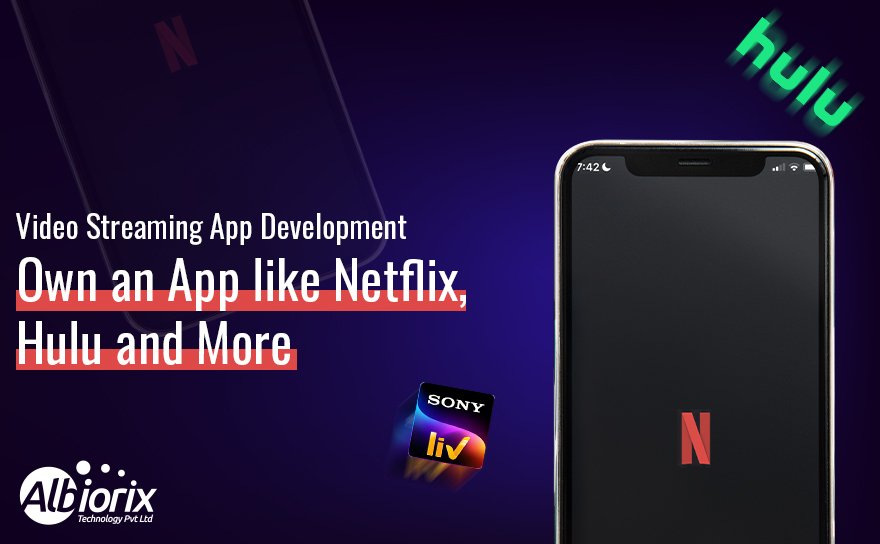
    How To Create Video Streaming App like Netflix, Hulu

    Compared to the traditional movie theatre experience, people are now obsessed with watching movies on OTT platforms such as Netflix, HBO Max, Hulu, Amazon Prime, and more.

    You might be wondering what OTT is, how it came into existence, and why it has gained so much popularity. Here are the answers to these three major questions that may be bubbling in your mind.

    What is OTT?

    OTT, or “Over-The-Top,” refers to the method of delivering media content—like video, audio, and more—directly over the internet, without relying on traditional cable or satellite services.

    Services such as Netflix, HBO Max, Hulu, Amazon Prime Video, and Disney+ are popular examples of OTT platforms. These let users stream content on-demand using an internet connection, whether on a smart TV, smartphone, or computer.

    OTT has changed how we consume entertainment by offering more control, variety, and flexibility. It’s a preferred choice for many who want to watch shows and movies without being tied to scheduled TV programming.

    When did it come into existence?

    OTT services began to gain significant traction and popularity in the late 2000s and early 2010s as internet connectivity improved globally, and streaming technology advanced.

    Which was the first OTT platform?

    The first widely recognized OTT platform was Netflix. Originally launched in 1997 as a DVD rental service, Netflix introduced its online streaming service in 2007, making it the pioneer of OTT media.

    By allowing users to stream movies and TV shows directly over the internet without needing cable or satellite TV, Netflix reshaped the entertainment industry. Its success inspired the launch of other OTT platforms like Hulu, Amazon Prime Video, and Disney+.

    Today, Netflix remains one of the most trusted and experienced players in the OTT space, thanks to its early innovation and commitment to user experience.

    Why has it gained so much popularity in the 21st century?

    OTT platforms have gained immense popularity in the 21st century due to factors such as widespread internet access, advancements in streaming technology, diverse content offerings, and the convenience of on-demand viewing.

    Moreover, you can also consider the smartphone revolution as one of the key reasons for the popularity of video-streaming apps and websites.

    Video Streaming Apps and Technology: Global Content at Your Fingertips

    Streaming technology is the backbone of every online video you enjoy on OTT platforms like Netflix and Amazon Prime.

    Essentially, a video streaming application enables users to participate in events irrespective of their location or access video content online without downloading it to their devices.

    Video streaming represents the internet’s evolution of traditional TV broadcasting, offering significantly more accessibility.

    Businesses across diverse industries stand to gain substantial benefits from investing in media streaming app development – streaming has proven to be one of the most efficient and user-friendly methods of engaging with your target audience.

    In this blog, we delve into the essential concepts and critical insights you need to grasp before venturing into the development of a customized streaming application. Let’s dive right in!

    Revolutionize Your Entertainment: Get Your Own Video Streaming App Now!

    Ready to launch your own custom video streaming app? Reach millions of viewers worldwide and showcase your content in style!


    Let’s Make Your Vision a Reality and Begin Today!

    What is a Video Streaming App?

    A video streaming app is a digital platform that allows users to watch video content online without needing to download it first. These apps use specialized software and sometimes hardware to deliver video efficiently across devices.

    They support both on-demand and live streaming, with live apps enabling real-time broadcasts.

    Because video files are large, these apps rely on optimized technology to ensure smooth playback, minimal buffering, and a reliable viewing experience—making them essential in today’s digital entertainment landscape.

    An advanced video streaming application will include:

    1. Video encoders: Essential for compressing large video files efficiently.
    2. Video transcoders: Enable multi-bitrate and adaptive bitrate streaming, ensuring optimal viewing experiences across different devices and network conditions.
    3. Content Delivery Network (CDN): A network of servers strategically positioned across regions to deliver content to users from the nearest server, reducing latency and improving streaming performance.
    4. HTML5 video player: The most widely used video player technology, replacing Adobe’s Flash Player due to its cross-platform compatibility and security advantages.

    Video streaming has a wide range of applications across various industries. It is commonly utilized to facilitate virtual events, online education, sports broadcasts, concerts, and local government meetings.

    Marketing and sales teams leverage video streaming for pitches, product demonstrations, and explanatory videos, aiding consumers in comparison shopping.

    Additionally, the healthcare sector is increasingly adopting live video streaming app development for remote patient monitoring.

    What are the Different Types of Video Streaming Apps?

    Video streaming apps can be categorized into four distinct types, each requiring specific considerations in terms of the relevant technology stack.

    These categories include subscription-based streaming apps like Netflix, MwareIPTV and Amazon Prime Video, which offer a vast library of content for a monthly fee. Ad-supported platforms such as YouTube provide free access to a wide range of videos supported by advertisements.

    Live streaming apps like Twitch focus on real-time broadcasting of events and gaming sessions, fostering interactive viewer engagement. Hybrid platforms such as Hulu combine subscription and ad-supported models, offering users a mix of content access options.

    Understanding these different types is crucial when determining the appropriate technology stack for developing and maintaining each type of streaming app.

    1. Live broadcasting apps are among the most popular types of streaming applications. They enable users to broadcast and record videos simultaneously, providing real-time viewing experiences without the need for downloading content.

      Well-known live broadcasting platforms include Facebook Live, YouTube Live, Livestream, and Twitch, offering users a seamless way to engage with live content and interact with broadcasters and fellow viewers in real time.
    2. Video-on-Demand (VoD) streaming apps revolutionize how users enjoy their favourite TV shows and movies online, offering flexibility in viewing anytime and anywhere. Users can pause, resume, and rewind content at their convenience.

      Leading platforms in this category include Netflix, Amazon Video, Disney+, HBO Max, and Hulu, providing extensive content libraries.

      Typically subscription-based, these platforms ensure uninterrupted access to a wide range of entertainment content, catering to diverse viewer preferences.

      Video-on-Demand (VoD) streaming apps revolutionize how users enjoy their favourite TV shows and movies online, offering flexibility in viewing anytime and anywhere. Users can pause, resume, and rewind content at their convenience.

      Leading platforms in this category include Netflix, Amazon Video, Disney+, HBO Max, and Hulu, providing extensive content libraries.

      Typically subscription-based, these platforms ensure uninterrupted access to a wide range of entertainment content, catering to diverse viewer preferences.
    3. Audio streaming apps operate on the same principle as broadcasting apps, focusing solely on audio content without video elements. These apps enable users to listen to music online in real time, eliminating the need for downloading.

      Prominent apps in this category include Spotify, Apple Music, Pandora, and Tidal, offering a vast library of songs and personalised playlists.

      It’s worth noting that Spotify has expanded its offerings by introducing video podcasts to its anchor creators in regions like the US, Canada, UK, Australia, and New Zealand, capitalising on the rising popularity of video content alongside audio streaming.
    4. TV live streaming apps provide users with the ability to watch television programs online, offering access to live broadcasts of shows and events not typically available on on-demand video streaming platforms.

      While Hulu primarily functions as a Video on Demand (VoD) streaming service, it also offers a TV live streaming plan, similar to offerings from platforms like Amazon Prime Video and YouTube TV.

      These apps cater to users who prefer real-time access to live TV content, enhancing the overall streaming experience beyond on-demand viewing.

    Each type of video streaming app caters to distinct user needs and viewing preferences, contributing to the dynamic landscape of digital entertainment.

    If you are planning for the best Video Streaming App Development with unique concepts and premium features, then talk to our team of video streaming app developers.

    Dominate the Digital Space: Launch Your Video Streaming App Today!

    Stand out in entertainment by bringing unique content to your audience’s screens. Our team can help create a cutting-edge video streaming app.


    Stop Waiting and Start Building to Make Your Mark Now!

    Top 5 Trends in the Video Streaming App Market

    The rise of AI in video streaming

    While Artificial Intelligence may not make as much noise in some industries, its impact is undeniable.

    AI’s integration into various sectors, including the Video Streaming industry, is reshaping operations and tasks, promising transformative outcomes in how we discover, consume, and create video content.

    Leading video streaming platforms like Netflix have embraced AI technologies, reaping significant benefits. By leveraging AI, Netflix has witnessed an 82% increase in viewing hours.

    Their AI algorithms are finely tuned to deliver precise content recommendations, ensuring that viewers find what they want effortlessly.

    Through extensive analysis of user data, personalized suggestions are curated, resulting in a notable 20% rise in user engagement and a 15% decrease in churn rates for platforms.

    This not only enhances the viewing experience for audiences but also streamlines content delivery for providers.

    As AI continues to evolve, its impact on the Video Streaming industry will likely deepen, offering more tailored experiences and refining content delivery mechanisms across platforms.

    Increase in the number of OTT users globally

    As we move into 2024 and beyond, the world is poised for an unprecedented binge-watching phenomenon! Video streaming platforms are set to witness an explosion in viewership in the coming years.

    Recent statistics highlight this trend vividly: a staggering 98% of Americans are currently subscribed to at least one streaming service, with the average user managing an impressive 3 subscriptions simultaneously.

    Moreover, the survey suggests a significant shift in viewer preferences. Modern audiences are actively seeking out diverse genres and niche content for their streaming fix.

    This insatiable appetite for varied content is driving substantial platform growth, with projections indicating that global Over-The-Top (OTT) market revenue will soar to $300 billion shortly.

    The surge in viewership isn’t limited to established markets; emerging regions like Asia and Latin America are witnessing explosive growth rates.

    Viewer numbers in these areas are skyrocketing, with a remarkable 25% increase in Asia and an impressive 30% surge in Latin America.

    This surge not only signifies a growing global audience but also presents exciting opportunities for content creators and platforms to cater to localized tastes and languages, further enriching the streaming landscape.

    The Internet Revolution – 5G is Here and Evolving

    The rise of 5G technology is transforming how video streaming apps perform and reach users. With faster speeds and lower latency, 5G enables smoother, high-quality streaming experiences without buffering, even on mobile devices.

    This evolution is crucial for video streaming app development. Apps like Netflix and Hulu benefit from 5G by delivering seamless video playback and supporting more users simultaneously.

    For businesses aiming to build their own streaming platform, leveraging 5G ensures better user engagement and satisfaction.

    As 5G networks continue to expand, they open doors for innovative features such as real-time content interaction and ultra-HD streaming. Investing in 5G-ready app development today means your platform stays future-proof in the competitive streaming market.

    Introduction of AR and VR into the Streaming Industry

    The advent of the 5G revolution heralds more than just the ability to watch videos in stunning 4K and 8K resolution—it unlocks immersive video experiences like never before.

    Imagine stepping into live, 360° concerts where you feel as if you’re standing right on stage, thanks to the convergence of AR and VR technologies in the video streaming industry.

    With AR and 5G, you’re placed at the heart of the action, making every moment feel real and captivating.

    Exciting developments such as Apple’s Vision Pro, Meta’s Quest 3, and a host of upcoming AR-VR headsets are turning these immersive visions into tangible realities.

    Apple Vision Pro, in particular, extends beyond AR-VR boundaries, ushering in the era of spatial computing, where digital and physical worlds seamlessly blend.

    If you’re considering taking your streaming platform to platforms like Apple Vision Pro or Meta Quest 3—or any other cutting-edge platform—now is the perfect time to do so!

    With Albiorix Technology by your side, creating your streaming app without coding complexities is within reach.

    Get in touch with Video Streaming App Development experts for a free consultation and discover how you can ride the wave of immersive experiences in the evolving streaming landscape.

    Free-Streaming Services Supported by Ads

    Gone are the days of limited free entertainment options as ad-supported streaming (AVOD) takes centre stage with a meteoric rise in 2024.

    In 2023, AVOD surged to an astounding USD 64.56 billion, setting the stage for a phenomenal growth projection of 25.8% in 2024.

    This trajectory points to a substantial market value of nearly USD 81.2 billion for ad-supported streaming, solidifying its position as a formidable player in the streaming landscape.

    Feeling tired of mounting streaming bills? You’re not alone! A significant number of viewers are opting for free or ad-supported options, reflecting a shifting trend.

    Recent data shows that 43% of U.S. households are subscribed to at least one AVOD or HVOD (Hybrid Video-on-Demand) service, highlighting the widespread appeal of these accessible and cost-effective streaming models.

    The rapid ascent of AVOD signifies a paradigm shift in consumer preferences, emphasizing the importance of diverse and affordable streaming options in today’s digital entertainment era.

    Your Content, Your Platform: Create Your Streaming Service!

    Launch your own streaming service with our app development solutions and reach your audience on their favourite devices.


    Let’s turn your vision into reality by customizing it!

    What is the Future of the Video Streaming Industry?

    As we look ahead to the coming years, the video streaming market is poised to undergo significant transformations, embracing diverse monetization strategies, specialized content niches, AI technologies, and immersive streaming experiences.

    Post-2026, video consumers will increasingly seek tiered subscriptions that offer personalized and tailored content experiences.

    This shift in consumer preferences will drive the adoption of microtransactions for specific content and deeper integration of advertising across platforms.

    Industry experts predict a substantial growth in ad revenue, with projections reaching USD 65.6 billion by 2027.

    Data forecasts also indicate a remarkable 20% global growth in internet users by 2026, catalyzing a surge in content creation endeavours.

    Studios and content creators will invest heavily in AI-driven scripts and data-optimized productions to meet the rising demands of a more discerning audience.

    Presently, mobile devices account for 70% of viewing time, a figure expected to rise to 80% by 2028.

    In response, streaming platforms will prioritize the delivery of bite-sized content, seamless cross-device compatibility, and enhanced offline viewing options to ensure a seamless and accessible viewing experience across different devices and scenarios.

    These anticipated industry shifts highlight the dynamic nature of the video streaming landscape and emphasize the importance of innovation and adaptation for players aiming to thrive in the evolving digital entertainment realm.

    Conclusion

    At Albiorix, we specialize in video streaming app development, crafting bespoke solutions tailored to your vision.

    Whether you aspire to create the next Netflix, Hulu, Amazon Prime, or a unique streaming platform, our team of experienced app developers is here to bring your ideas to life.

    Take advantage of our free quote and consultation services to kickstart your streaming app journey today.

    Let’s collaborate to transform your streaming app concept into a successful reality. Contact us now to get started! You can also share your ideas with us through LinkedIn and Facebook.
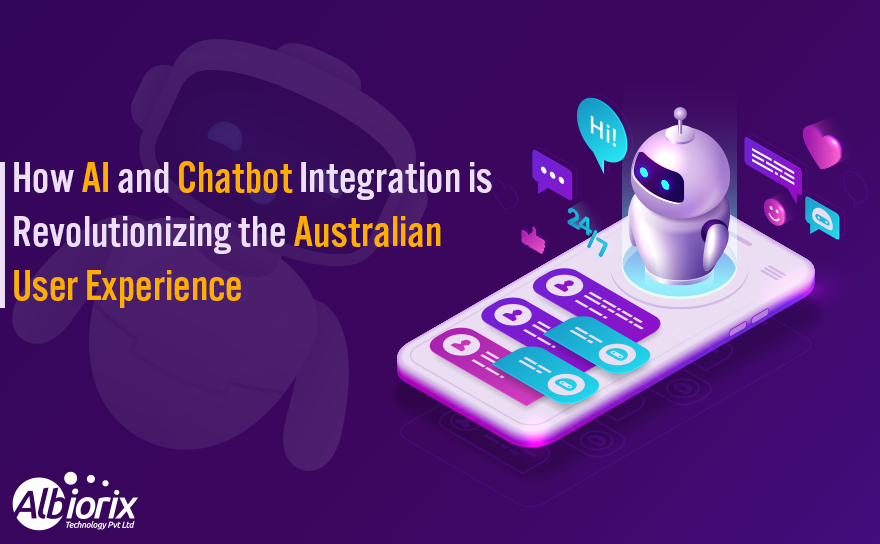
    How to Integrate Ai Chatbot and improve User Experience

    In the stance of fierce competition, user experience (UX) holds the key to retaining customers and driving business growth. As technology evolves, businesses are constantly seeking innovative ways to enhance their UX strategies.

    One such revolutionary advancement is the integration of artificial intelligence (AI) and chatbots into user interfaces. This dynamic duo is reshaping the way users interact with brands online, offering personalized experiences and efficient solutions.

    If you own a business and want to know how AI and chatbots can scale up your business operations for enhanced efficiency and profitability, then stay tuned with us as we are about to discuss how AI and chatbot integration is revolutionizing user experience across various industries.

    Understanding AI and Chatbots with Experts  

    Before we explore the impact and uses of AI and chatbots on user experience, it’s essential to grasp their functionalities. Artificial Intelligence refers to the simulation of human intelligence processes by machines, enabling them to learn, reason, and adapt.

    On the other hand, chatbots are AI-powered virtual assistants designed to converse with users and perform tasks autonomously.

    Together, both have proved to be a blessing for modern-day businesses that were looking for innovative ways to offer more to their customers by investing less. AI and chatbots have collectively revolutionized the ways user experience and increased the engagement ratio.

    How AI and Chatbots have Revolutionized the User Experience

    1. AI and Chatbots offer Personalized Interactions:

    One of the most significant advantages of integrating AI and chatbots into user interfaces is the ability to deliver personalized interactions.

    Through advanced algorithms and machine learning capabilities, these technologies can analyze user behaviour, preferences, and past interactions to tailor recommendations and responses.

    Whether it’s recommending products, providing customer support, or offering content suggestions, AI-powered chatbots can deliver highly relevant and personalized experiences to users, enhancing overall satisfaction and engagement.

    A skilled software development company can play a crucial role in building and implementing these intelligent solutions effectively.

    2. 24/7 Availability – Always at Service:

    Another key benefit of AI and chatbot integration is the round-the-clock availability they offer. Unlike human agents who are bound by working hours and time zones, chatbots can provide instant assistance and support to users at any time of the day or night.

    This accessibility ensures that users receive prompt responses to their queries and requests, leading to improved satisfaction and loyalty.

    3. Seamless Multi-Channel Experience:

    In today’s omnichannel world, where users interact with brands across multiple touchpoints, delivering a seamless experience is paramount.

    AI-powered chatbots excel in this aspect by providing a consistent experience across various channels, including websites, mobile apps, social media platforms, and messaging applications.

    Whether a user engages with a brand through a website chatbot or a social media messenger, the interaction remains cohesive, resulting in a unified and frictionless user experience.

    4. Enhanced Efficiency and Productivity:

    By automating repetitive tasks and streamlining processes, AI-powered chatbots significantly enhance efficiency and productivity for both businesses and users.

    Tasks such as answering frequently asked questions, processing orders, scheduling appointments, and resolving basic issues can be handled swiftly and accurately by chatbots, freeing up human agents to focus on more complex tasks that require human intervention.

    This increased efficiency not only improves user experience but also drives cost savings and operational excellence for businesses.

    5. Real-time Insights and Analytics:

    In addition to enhancing user experience, AI-powered chatbots also provide valuable insights and analytics that can help businesses make data-driven decisions.

    By analyzing user interactions, preferences, and sentiment in real-time, businesses can gain actionable insights into customer behaviour and preferences.

    These insights can be used to optimize products, services, and marketing strategies, ultimately driving business growth and competitive advantage.

    Whatever your business may be, if you want to spellbind your customers by offering an amazing user experience, then integration of AI and chatbots is a must. The integration of AI and chatbots is revolutionizing user experience across various industries.

    From delivering personalized interactions and round-the-clock support to ensuring a seamless multichannel experience and enhancing efficiency and productivity, AI-powered chatbots are transforming the way users interact with brands online.

    As businesses continue to harness the power of AI and chatbot technology, the future of user experience looks promising, with even more innovative solutions on the horizon.

    Embracing this technological advancement is not only essential for staying competitive in today’s digital landscape but also for delivering exceptional user experiences that drive customer satisfaction and loyalty.

    Transform Your User Journey with AI Integration

    Dive into the future of user experience with AI and chatbot integration. From personalized assistance to instant support, unlock endless possibilities for your clientele.


    Transform Today!

    AI Solutions and Chatbots Development and Integration Services

    At Albiorix Technology, we specialize in providing custom AI chatbot development and integration services tailored to meet the unique needs of your business.

    By making the best use of artificial intelligence, our team of AI developers build intelligent chatbot solutions that enhance customer engagement, streamline operations, and drive business growth.

    We are among the top AI development companies in Australia that have already developed AI mobile apps and solutions for clients from various domains and backgrounds. You can verify our claims by visiting our portfolio, where we showcase our latest AI projects.

    1. Tailored AI Solutions for Your Business:

    We understand that every business is different, which is why we take a personalized approach to AI chatbot development and AI solutions.

    Our team works closely with you to understand your specific requirements, goals, and target audience, ensuring that the chatbot we create aligns seamlessly with your brand and objectives.

    2. AI Solutions with Advanced Capabilities:

    Our custom AI solutions are equipped with advanced capabilities such as natural language processing (NLP) and sentiment analysis.

    This allows them to understand user queries, engage in natural conversations, and provide accurate responses in real time, enhancing the overall user experience.

    3. Seamless AI Integration:

    Whether you need a chatbot for your website, mobile app, social media platform, or messaging application, we’ve got you covered.

    Our team ensures seamless integration of the chatbot across multiple channels, providing a unified experience for your users regardless of the platform they choose to engage with.

    4. Continuous Improvement:

    At Albiorix Technology, we believe in continuous improvement. After deploying your AI chatbot, we monitor its performance closely and gather valuable feedback from users.

    This allows us to make ongoing enhancements and optimizations to ensure that your chatbot remains effective and relevant over time.

    5. Expert AI Support and Maintenance Services:

    Our commitment to excellence doesn’t end with deployment. We provide comprehensive support and maintenance services to ensure that your AI chatbot always operates smoothly and efficiently.

    Whether you need technical assistance, updates, or troubleshooting, our dedicated team is here to help.

    Conclusion

    With Albiorix Technology’s custom AI chatbot development and integration services, you can unlock new opportunities for business success.

    Whether you’re looking to improve customer service, increase sales, or optimize internal processes, our AI-powered solutions can help you achieve your goals.

    Get in touch with us today to learn more about how we can transform your business with intelligent chatbots.

    To talk to AI developers in Australia, please call us at (+61) 489-940-484 (AUS) or share your AI requirements with us and we will get back to you at the earliest.

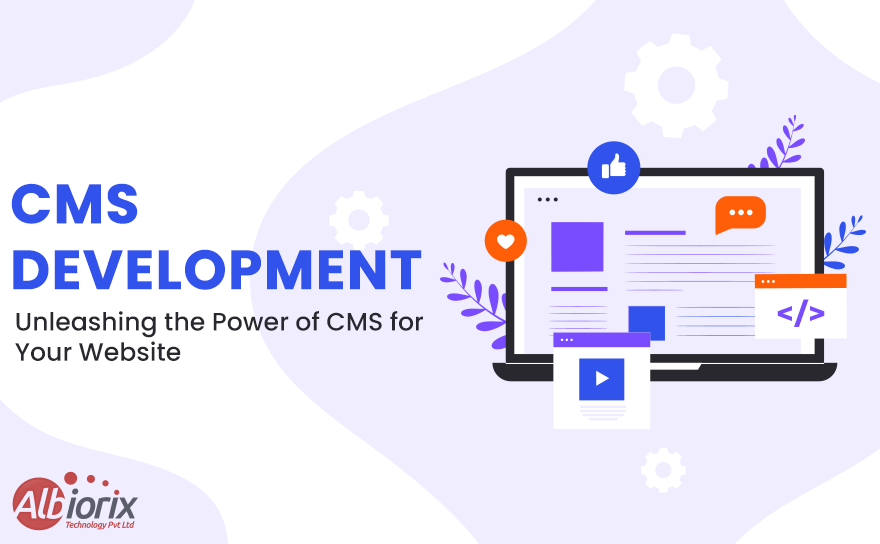
    CMS Development: Advantages and How It Will Better For Your Business

    When you are about to build a website, you will come across the most common and confusing question: “Should I go for customized website development or consider CMS development?” It is the most common question that businesses face during website development.

    Both options have their pros and cons, and it’s up to you to decide which option is better for your business depending on your client base, industry, required features, and your technical expertise.

    However, in this blog, we are about to discuss CMS development, its advantages, and the top 10 CMSs in 2024 for your business. So, let’s get started.

    What is CMS?

    A CMS, or Content Management System, is a software tool that allows you to create, edit, and manage website content without needing to write code. It simplifies the process of publishing and updating text, images, videos, and other digital elements.

    For businesses, a CMS is essential because it saves time and makes website management more efficient.

    Partnering with reliable software development services ensures your CMS is tailored to your specific needs, whether you’re launching a blog, updating product pages, or adding new features.

    With its flexibility and ease of use, a CMS supports better performance, smoother updates, and a more engaging user experience—all without technical complexity

    What is CMS Development?

    CMS Development refers to the process of creating, customizing, and implementing Content Management Systems (CMS) to build dynamic websites and web applications.

    It involves the design and development of CMS platforms such as WordPress, Joomla, or Drupal, tailored to meet specific business needs and requirements.

    CMS Development enables users to easily manage and update website content, including text, images, videos, and other multimedia elements, without the need for extensive technical knowledge.

    By harnessing the power of CMS, businesses can enhance their online presence, streamline content management processes, and provide a seamless user experience to their audience.

    If you are interested in learning more about CMS development or how to hire CMS developers at affordable rates, then schedule a free call with us today!

    What are the key components of CMS Development?

    CMS development offers practical benefits for businesses looking to manage their websites with ease and flexibility. One of the biggest advantages is that it allows users to update content—like text, images, or videos—without needing to know how to code.

    Most CMS platforms include helpful features such as built-in SEO tools, mobile-friendly templates, and plugin support. These features improve a site’s visibility and user experience.

    A CMS also supports team collaboration, making it easy for multiple people to work on content at once. Plus, it helps reduce overall development time and costs, making it a smart, scalable solution for growing businesses.

    Below are the key components of CMS development:

    1. User Interface (UI): A user-friendly interface is paramount in CMS development, ensuring seamless navigation and content management for website administrators and editors.

      Intuitive design elements empower users to effortlessly update content, upload media, and customize layouts without extensive technical expertise.

    2. Content Management Features: Advanced CMS platforms offer a plethora of content management features, including WYSIWYG (What You See Is What You Get) editors, version control, workflow management, and scheduling capabilities.

      These features streamline content creation, editing, and publishing workflows, fostering collaboration and enhancing productivity.

    3. Customization and Scalability: Versatility and scalability are hallmarks of effective CMS development.

      Tailoring the CMS to align with the specific needs and objectives of a website enables seamless integration of custom functionalities, extensions, and third-party plugins.

      Scalability ensures that the CMS can accommodate growth and adapt to evolving business requirements over time.

    4. Security Measures: In an era plagued by cyber threats and data breaches, robust security measures are non-negotiable in CMS development.

      Implementing stringent security protocols, such as HTTPS encryption, user authentication, role-based access control, and regular security updates, fortifies websites against vulnerabilities and safeguards sensitive information.

    Maximize Your Website’s Potential!

    Elevate your website with CMS development tailored to your needs. From streamlined workflows to customizable features, our solutions empower your digital presence.


    Contact Us

    What are the Advantages of CMS Development?

    CMS development offers numerous advantages for businesses and website owners. One major benefit is the ease of managing website content without requiring technical expertise. With CMS, users can update text, images, and other content quickly and efficiently.

    Additionally, CMS platforms often come with built-in features like SEO optimization and mobile responsiveness, enhancing website visibility and accessibility.

    A Content Management System also enables collaboration among team members, allowing multiple users to contribute and edit content simultaneously.

    Moreover, CMS development typically reduces development time and costs compared to custom-built websites. Overall, CMS development simplifies website management, improves user experience, and enhances overall efficiency for businesses of all sizes.

    Below are some of the top advantages of CMS development:

    1. Enhanced Efficiency and Productivity: By automating repetitive tasks, streamlining workflows, and centralizing content management processes, CMS development empowers organizations to operate more efficiently and achieve higher levels of productivity.

      Content creators can focus on generating compelling content, while administrators oversee website maintenance and optimization with ease.

    2. Improved User Experience (UX): A well-designed CMS enhances the overall user experience by delivering responsive, visually appealing websites with intuitive navigation and fast loading times.

      Accessibility features, such as alt text for images and keyboard navigation, ensure inclusivity and cater to diverse audience demographics, fostering positive interactions and engagement.

    3. Seamless Content Management: Gone are the days of cumbersome manual updates and HTML coding. With CMS development, content management becomes a breeze, allowing users to create, edit, and publish content in real-time.

      Dynamic content organization, tagging, and categorization facilitate efficient content discovery, enabling users to find relevant information effortlessly.

    4. Scalability and Flexibility: Whether launching a startup blog or scaling a multinational e-commerce platform, CMS development offers unparalleled scalability and flexibility to accommodate evolving business needs.

      From adding new features and functionalities to integrating third-party services and scaling server resources, CMS frameworks provide a solid foundation for growth and expansion.

    How to Choose the right CMS for your website?

    Choosing the right CMS (Content Management System) is essential for managing your website effectively. Start by understanding your goals—what kind of content will you publish, and how much control do you need over design and features?

    Look for a CMS that is easy to use, scalable, and supports the features your website needs, such as SEO tools, mobile responsiveness, or e-commerce options. It should also integrate smoothly with your current systems.

    Consider your budget, including future costs like updates and support. Trying out free demos can help you get a feel for how the CMS works. Choosing wisely now will save time and money later.

    Selecting the optimal CMS for your website is a crucial decision that requires careful consideration of various factors, including:

    1. Purpose and Objectives: Define your website’s purpose, target audience, and long-term goals to align with a CMS that meets your specific requirements.
    2. Ease of Use: Evaluate the user interface, customization options, and administrative features to ensure seamless usability and content management.
    3. Scalability and Performance: Assess the scalability, performance, and resource requirements of different CMS platforms to support future growth and accommodate increasing traffic volumes.
    4. Security and Compliance: Prioritize security features, data protection mechanisms, and regulatory compliance standards to safeguard your website and mitigate cybersecurity risks.

    Empower Your Online Presence!

    Empower your website with the dynamic capabilities of CMS development. From effortless content management to enhanced user engagement, our solutions empower your online presence like never before.


    Contact Us

    Top 10 CMSs of 2026 – A Comprehensive List

    Discover the top 10 CMSs of 2026 in this comprehensive list. Explore the leading content management systems that are shaping the digital landscape and powering websites and online businesses worldwide.

    From WordPress to Drupal, Joomla to Magento, uncover the best CMS solutions for your website needs.

    1. WordPress: A versatile and user-friendly CMS, ideal for blogs, small businesses, and e-commerce sites, with a vast array of plugins and themes for customization.
    2. Drupal: A powerful and flexible CMS suited for large-scale and complex websites, offering robust features for content management and customization.
    3. Joomla: A user-friendly CMS with strong community support, suitable for small to medium-sized websites, providing a balance between flexibility and ease of use.
    4. Magento: An advanced e-commerce CMS designed for scalability and performance, offering extensive features for managing online stores and integrating third-party extensions.
    5. Shopify: A popular e-commerce platform known for its simplicity and ease of use, offering a range of customizable templates and built-in tools for online selling.
    6. Wix: An intuitive website builder with drag-and-drop functionality, ideal for beginners and small businesses, offering a variety of templates and add-ons for customization.
    7. PrestaShop: An open-source e-commerce CMS with a focus on scalability and performance, offering a wide range of features for managing online stores and selling products.
    8. Umbraco: A flexible and customizable CMS built on the Microsoft .NET framework, suitable for creating dynamic and content-rich websites with ease of integration.
    9. Magnolia: A Java-based CMS with a focus on ease of use and scalability, offering powerful features for content management and personalization.
    10. Kentico: A comprehensive CMS and digital experience platform with built-in marketing tools, suitable for creating and managing websites, e-commerce, and online marketing campaigns.

    In the digital age, harnessing the power of CMS development is important for building and maintaining a successful online presence.

    From enhancing efficiency and productivity to delivering exceptional user experiences and scalability, CMS frameworks offer a myriad of benefits for businesses across industries.

    By embracing CMS development, organizations can unlock new opportunities for growth, innovation, and digital transformation in an increasingly competitive landscape.

    Conclusion

    Have questions about content management systems (CMS)? Need expert assistance? Our team of CMS experts is here to help! Get answers to your queries, guidance on CMS selection, and expert advice on optimizing your CMS website for success.

    Reach out to us today for personalized support and solutions tailored to your needs. You can call us at (+91) 991-308-8360 or share your contact details using the contact us form.

    A Look into Lean Software Development, Key Principles, and Advantages

    In a rapidly evolving landscape of software development where efficiency and quality are paramount, Lean Software Development is here to make a difference.

    It is a methodology that originated from Lean manufacturing principles but has since been customized to fit the unique challenges of software engineering.

    It’s a philosophy that emphasizes maximizing customer value while minimizing waste. If you are interested in learning more about LSD – Lean Software Development, then talk to experts at Albiorix Technology for free.

    Introduction – Lean Software Development

    Lean Software Development (LSD) is an agile framework aimed at maximizing development efficiency and resource utilization while minimizing waste.

    It mainly focuses on delivering precisely what the product requires, without unnecessary features or functionalities.

    Often likened to the Minimum Viable Product (MVP) strategy, Lean Software Development involves releasing a basic version of the product to the market, gathering user feedback, and iterating based on this input to enhance the product iteratively.

    Lean Software Development isn’t just about cutting costs or reducing time-to-market, it is a modern form of software development.

    By focusing on continuous improvement and delivering high-quality products that meet customer needs, Lean Software Development has gained traction across various industries, including Healthcare, Education, Travel, Energy, and Media to name a few.

    In this comprehensive blog on Lean Software Development, we’ll delve into the core principles of Lean Software Development, explore its key components, discuss tools and techniques used, address common challenges, and provide insights into how it can revolutionize your software development processes. Whether you’re a seasoned developer or new to the field, understanding Lean Software Development principles can significantly enhance your approach to building software products that excel in today’s competitive market. So, let’s get started.

    Embrace Lean Software Development Today!

    Dive into the world of Lean Software Development and revolutionize your project workflows. Discover key principles and gain a competitive edge.


    Explore Lean Now

    How did LSD enter the market of custom software development?

    Lean Software Development (LSD) emerged in custom software development by adapting Lean manufacturing principles to meet the needs of modern software projects.

    Initially designed for manufacturing efficiency, these principles were gradually customized to address the fast-paced, client-focused nature of software engineering.

    As businesses sought ways to reduce waste, improve delivery speed, and enhance customer value, LSD became a natural fit.

    It encouraged continuous improvement, agile thinking, and streamlined processes. This evolution reflects how the industry embraced Lean to manage complex projects and evolving client demands in custom software development.

    What are the key principles of Lean Software Development?

    Lean Software Development is an approach to custom software development that focuses on providing maximum value to clients through process and resource optimization.

    Below are the key principles of LSD:

    1. Eliminate Waste: Identify and eliminate any activities or processes that do not directly contribute to delivering value to the customer. This includes unnecessary features, waiting times, and redundant tasks.
    2. Quality Products: Prioritize quality at every stage of software development rather than treating it as an afterthought. Implement automated testing and continuous integration to ensure high-quality deliverables from the outset.
    3. Create Knowledge: Foster a culture of learning and knowledge sharing within the team of software developers. Encourage collaboration, experimentation, and feedback loops to continuously improve processes and outcomes.
    4. Defer Commitment: Delay making irreversible decisions until the last responsible moment, allowing for greater flexibility and adaptability in response to changing requirements or market conditions.
    5. Deliver Fast: Emphasize quick delivery cycles to minimize lead times and get valuable features into the hands of customers sooner. Utilize agile methodologies and iterative development to deliver incremental value with each release.

    Lean software development is a methodology designed to ensure the creation of the most suitable product, developed efficiently and effectively.

    It revolves around five fundamental principles and by following these principles, programmers can accelerate product development while maintaining quality, thereby aligning with the ever-evolving needs of customers.

    Streamline Your Success with Lean Software Development

    Learn how Lean principles can optimize your software development processes, saving time and resources while boosting productivity and quality.


    Get Lean Solutions

    What are the advantages of Lean Software Development?

    There are many advantages of Lean Software Development, and some of them are carefully listed below for your reference:

    1. Faster Time-to-Market: Lean methodologies prioritize delivering value quickly, allowing products to reach the market faster than traditional development approaches.
    2. Improved Efficiency: By eliminating waste and focusing on essential features, Lean Software Development streamlines the development process, making it more efficient and productive.
    3. Enhanced Quality: Building quality into the development process from the start ensures that products meet high standards and customer expectations, reducing defects and rework.
    4. Increased Customer Satisfaction: Continuous feedback loops and iterative development mean that products are more likely to meet customer needs and preferences, leading to higher levels of satisfaction.
    5. Cost Reduction: Eliminating waste and focusing on value-added activities ultimately leads to cost savings throughout the development lifecycle.
    6. Flexibility and Adaptability: Lean Software Development allows teams to respond quickly to changes in requirements or market conditions, maintaining agility and adaptability.
    7. Empowered Teams: By encouraging collaboration, knowledge sharing, and decision-making at all levels, Lean methodologies empower teams to take ownership of their work and drive continuous improvement.
    8. Sustainable Development: By prioritizing long-term value over short-term gains, Lean Software Development promotes sustainable development practices that support ongoing success and growth.

    Lean Software Development is a proactive approach that’s closely linked to Agile methodology. It focuses on sharing knowledge and delivering products quickly.

    Every step of the development process is carefully designed to make sure the final product is delivered on time and at a low cost.

    If you want to learn more about the advantages of Lean Software Development, then talk to software developers for free.

    Why should a business consider Lean Software Development?

    Lean Software Development (LSD) is an effective approach for businesses looking to build software that meets today’s fast-changing market needs.

    By applying Lean principles, businesses can streamline development processes, reduce waste, and deliver high-quality software more efficiently.

    This method emphasizes delivering value to customers while removing unnecessary steps that slow down progress. It accelerates time-to-market and ensures software meets evolving user expectations.

    Lean Software Development also promotes adaptability, enabling teams to respond quickly to customer feedback, new requirements, or shifting market trends. This flexibility is crucial for staying competitive in dynamic industries.

    Whether you’re a startup or an established software development company, adopting Lean Software Development helps create agile, cost-effective, and customer-focused solutions.

    It empowers teams to work smarter and deliver better products, making it a practical choice for businesses aiming to enhance efficiency and maintain a competitive edge in software development. Talk to our experts.

    Maximize Your Software Potential: Embrace Lean Methodologies

    Elevate your software development game with Lean principles. Uncover proven strategies for delivering value faster and exceeding customer expectations.


    Start Optimizing with Albiorix

    Expert Consultation on Lean Software Development

    Albiorix Technology offers expert consultation services on Lean Software Development, providing businesses with tailored strategies to optimize their development processes.

    With a deep understanding of Lean principles and years of industry experience, Albiorix’s LSD consultants work closely with clients to identify areas for improvement, eliminate waste, and enhance efficiency throughout the software development lifecycle.

    Whether it’s implementing agile methodologies, fostering a culture of continuous improvement, or streamlining project workflows, Albiorix Technology empowers businesses to unlock their full potential and achieve success in today’s competitive market.

    To talk to our experts, please call us at (+61) 489-940-484 (AU) or send your details to inquiry@albiorixtech.com.

    Feel free to reach out by filling in the contact form on our website or sending us a direct message on LinkedIn with any questions. Our team of developers is eager to assist you and provide answers to your inquiries.

    Top-Rated AI-Powered Software Solutions & Apps by Albiorix Technology

    In the ever-evolving landscape of business, the future of AI promises to be transformative. As businesses increasingly harness the power of artificial intelligence with the use of custom AI solutions, they will unlock unprecedented efficiencies, insights, and innovation.

    From optimizing operations and automating repetitive tasks to personalizing customer experiences and predicting market trends with the help of tailored AI software solutions, artificial intelligence will revolutionize how businesses operate and compete.

    With advancements in machine learning, natural language processing, and computer vision, AI will not only streamline processes but also enable organizations to make more informed decisions, drive growth, and stay ahead of the curve in an increasingly competitive market.

    Embracing AI will be imperative for businesses looking to thrive in the digital age, and AI development companies like Albiorix Technology are here to help.

    About Albiorix Technology- An AI Development Company

    Albiorix Technology stands as a leading AI development company, specializing in crafting custom AI solutions tailored to businesses’ unique needs.

    With a proven track record, we have successfully developed a suite of AI applications and software that empower businesses to optimize operations, enhance decision-making processes, and unlock new growth opportunities.

    Our team of AI developers leverage cutting-edge technologies to deliver innovative solutions that drive tangible results.

    Feel free to explore our portfolio to discover the range of AI applications we’ve crafted for our esteemed clients. Below are the top three AI-powered solutions that we have developed for clients.

    AI-powered Pet Poop Analysis App

    AI-powered Pet Poop Analysis App

    In 2024, Albiorix Technology proudly ranks among the top AI companies, with our revolutionary pet poop analysis app standing out as a premier AI-powered solution.

    Designed to cater to pet owners’ needs, this innovative app offers unparalleled insights into your furry friend’s health.

    If you’re grappling with concerns about your pet’s well-being, behaviour, or nutrition, an AI-powered mobile app is your ultimate companion for comprehensive pet care.

    Available for download on the Google Play Store, this user-friendly mobile app allows you to create personalized profiles for your dogs, enabling you to conveniently track their progress over time.

    Leveraging advanced AI technology, the app seamlessly analyzes your pet’s poop, providing instant results and invaluable recommendations for enhancing their health.

    Say goodbye to uncertainty and hello to a happier, healthier pet with Albiorix Technology’s AI-powered pet poop analysis app.

    To learn more about this amazing app and its features, please visit our portfolio.

    AI-Powered App for Sales and Marketing Professionals

    Introducing DealSignal, the cutting-edge AI-powered mobile app is revolutionising the sales and marketing landscape.

    Tailored for sales and marketing professionals, this innovative tool delivers fresh, precise, and verified B2B data, elevating efficiency, performance, and results.

    With access to updated data, teams can precisely target ideal buyers, personalize outreach efforts, enhance email deliverability, and drive conversions with unprecedented accuracy.

    Crafted by Albiorix Technology’s seasoned AI developers, DealSignal offers a suite of features to streamline processes, including automatic inbound lead enrichment, precise decision-maker list generation, CRM data enhancement, ABM effectiveness improvement, and identification of in-market buyers with intent.

    Geared towards alleviating the burdens faced by sales and marketing professionals, DealSignal stands as a top-rated AI solution, granting access to a vast database of 600M+ global companies and contacts, enriched with over 100 data points.

    From detailed account and contact profiles to verified emails, corporate and direct phone numbers, social URLs, and mailing addresses, all information is provided with an exceptional accuracy rate of over 97% and backed by a 100% data guarantee.

    Experience the power of DealSignal and supercharge your B2B campaigns and sales outreach today.

    Visit our portfolio to learn more about this amazing AI-powered app.

    AI-Powered Education Solution for Students and Educators

    Albiorix Technology has built an innovative AI-powered education solution for our clients. It is designed to streamline the assessment process for both educators and students.

    This AI-powered software solution is a centralized hub for creating, submitting, and grading assessments, offering unparalleled convenience and efficiency.

    Educators can effortlessly create, upload, or generate assessments tailored to their curriculum, while students can easily access, download, and submit assignments through the platform.

    With AI technology at its core, this amazing AI app solution provides suggested grades and comprehensive feedback to students, ensuring personalized insights for improvement.

    From simplifying assessment creation to automating grading with precision, this AI app revolutionizes the educational experience, empowering educators to enhance learning outcomes and students to excel academically.

    Experience seamless assessment management and personalized feedback with Albiorix Technology’s AI-powered education solution.

    Experience the Future Today with Albiorix Technology

    Step into a world of possibilities with Albiorix Technology’s AI-powered software solutions and apps. From predictive analytics to virtual assistants, our cutting-edge tools redefine what’s possible for your business.


    Embrace the future – Start your journey with us now!

    At Albiorix Technology, we’re committed to pushing the boundaries of innovation and delivering cutting-edge AI-powered solutions.

    Whether you’re a pet owner, a sales professional, or an educator, our apps are designed to simplify your life and enhance your productivity.

    Contact Albiorix Technology today to learn more about our AI-powered apps and software development services. Embrace the future with Albiorix Technology.

    Whether you’re a pet owner, a sales professional, or an educator, our apps are designed to simplify your life and enhance your productivity. Visit our website to learn more and schedule a demo today!

    Conclusion

    With more than 10+ years of industry presence, Albiorix stands out as a top-rated AI development company, renowned for our expertise in crafting innovative solutions tailored to our clients’ unique needs.

    Whether you’re seeking to develop an AI app, AI software solution, or any other custom AI-powered application, our team of skilled AI professionals is dedicated to delivering exceptional results.

    With a proven track record of excellence, we leverage cutting-edge technologies and a client-centric approach to turn your vision into reality.

    Contact us today to embark on your journey towards harnessing the power of AI and transforming your business for the better.

    Let Albiorix be your partner in pioneering the future of artificial intelligence.